Layered Thresholds vs Transparent Continuity: Seasonal Strategies for Ground-Floor Facades
Ground-floor facades are where buildings meet the city at human scale. How that meeting is composed—whether with a step of plants and screens or with a single uninterrupted pane of glass—shapes sunlight, shelter, movement and attention throughout the year. In everyday life these choices read as comfort or exposure, intimacy or invitation. Below I compare two common strategies and offer practical guidance for choosing between them depending on season, climate and use.
Two approaches, at a glance
The approaches that often recur in streetscapes are distinct in intention:
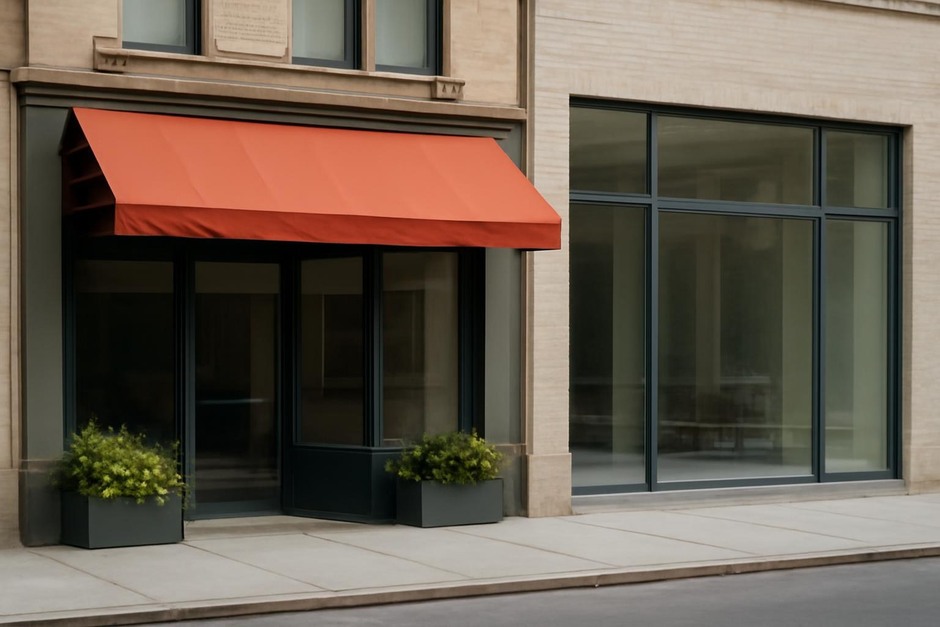
- Layered thresholds insert intermediate elements—awnings, screens, planters, low walls, covered stoops—that buffer the interior from the street.
- Transparent continuity emphasizes uninterrupted glazed surfaces and clear sightlines, minimizing physical separation between inside and outside.
Layered thresholds: shelter, texture, and seasonal flexibility
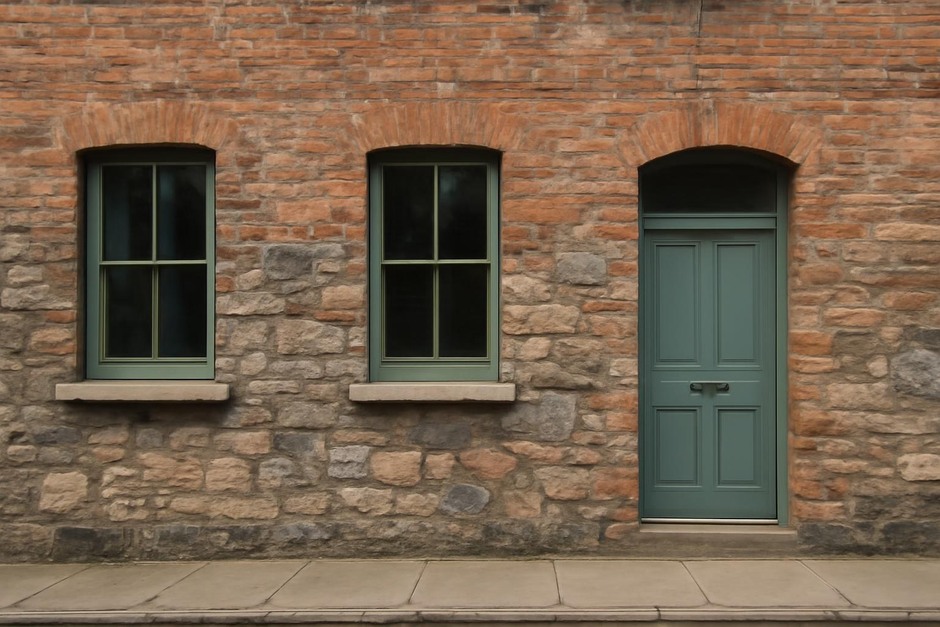
Layered thresholds act like a series of small rooms between the sidewalk and the interior. In cold or wet seasons the layers provide shelter: an awning keeps snow and rain from reaching the doorway, a recessed entry reduces wind pressure, and an outer planter or screen breaks the chill. In hot months those same layers can offer shade and sites for climbers or seasonal planting, creating microclimates that cool the immediate frontage.
Materially, this approach accepts more surface variety—wood, masonry, fabric and vegetation—so the facade reads as textured and private. It invites pauses: people stop under an awning, prop bikes against a low wall, read a menu behind a translucent screen. The trade-offs are obvious: visual permeability is reduced and maintenance needs rise with more elements exposed to weather.
Transparent continuity: daylight, visibility, and public connection
Transparent continuity privileges view and light. A continuous glazed face keeps interiors visually connected to the street, maximizing daylight and fostering a feeling of openness. In temperate climates and on active boulevards this strategy enhances commerce and surveillance: passersby see displays and interior life, and occupants feel the pulse of the street through unobstructed sightlines.
Seasonally, though, transparency requires careful detailing. In winter a fully glazed frontage can be cold without adequate thermal strategies; in high summer it can lead to overheating and glare unless shaded. The aesthetic is clean and calm, but the approach can feel exposed in inclement weather or on streets where privacy and shelter are valued.
Direct contrasts to consider
- Visibility: Transparent continuity wins for sightlines and daylight. Layered thresholds trade some visibility for framed views and moments of discovery.
- Thermal comfort: Layers add passive protection against rain, wind and sun; glazing needs shading and insulation to match that comfort across seasons.
- Social behavior: Layers encourage lingering and semi-private interaction; transparency supports clear invitation and quick transactions.
- Maintenance: More elements mean more upkeep for layered facades; glass faces require careful cleaning and performance glazing.
- Adaptability: Removable or seasonal layers can make a facade versatile; continuous glazing tends to be less changeable without retrofit.
How to choose: simple decision points
Start by asking four practical questions about the place and its seasons.
- What is the local climate? Colder, windier, or rain-prone streets benefit from layered thresholds that provide shelter. Sunny, mild climates favor transparent faces, provided solar control is in place.
- What is the street life like? Active retail streets and promenades gain from transparency; quieter residential or mixed streets often benefit from layers that create thresholds for neighbors to inhabit.
- What is the building’s program? Cafés and galleries may want visibility to attract visitors, but they also value cozy corners—this is a case for hybrid strategies. Residences and studios often prefer buffer layers for privacy.
- How seasonal is the use? If the ground floor will host seasonal activities—outdoor seating in summer, sheltered queuing in winter—plan for elements that can be added or removed as needed.
Practical hybrids and seasonal tactics
Most successful facades use both strategies in measured ways. Practical moves to combine advantages include:
- Recessed glazed entries: keep a long sightline but introduce a sheltered threshold for bad weather.
- Retractable awnings and screens: deploy shade and protection in wet or hot seasons; stow them when not needed.
- Planters on rails or wheels: add green buffering in cold months and move them aside for events or visual openness.
- High-performance glazing with external shading: maintain transparency while managing heat and glare throughout the year.
Choosing between layered thresholds and transparent continuity need not be an either/or decision. Observe a street through a year: see when people shelter, where light falls, and how the facade performs for those moments. Small, seasonal experiments—an awning one winter, a removable screen the next—are often the most instructive way to learn what a particular corner of the city needs.